

Politics
Beyond the Stigma: Understanding Mental Health Through Islam
Beyond the Stigma: Understanding Mental Health Through Islam
In the Ghanaian society, the words “Psychiatric hospital” carries heavy social meaning. For some people, seeking help from a psychologist or a psychiatrist is immediately attributed to being “mad”. This perception reflects a deeper misunderstanding of mental health, one that can make individuals conceal their struggles, delay seeking professional help and suffer in silence.
However, mental health is not synonymous with mental illness, and seeking help for one’s mental well-being does not mean that a person has lost sanity. It should be understood in this context that just as we visit a doctor when our physical health demands attention, mental-health professionals also provide care for difficulties affecting our thoughts, emotions, behaviour and ability to cope with life.
According to the WHO, mental health and mental disorder are defined as;
“Mental health is a state of mental well-being that enables people to cope with the stresses of life, realise their abilities, learn and work well, and contribute to their community. It has intrinsic and instrumental value and is a basic human right.” [1]
A mental disorder is characterised by a clinically significant disturbance in an individual’s cognition, emotional regulation, or behaviour. It is usually associated with distress or impairment in important areas of functioning. [2]
As the world marks World Mental Health Day today, it is worth discussing the importance of our mental well-being and recognising that caring for the mind is not a sign of weakness, but an essential part of caring for the whole person.
Challenges
Stigma and misunderstanding are among the leading challenges people face. As mentioned earlier in the context of the Ghanaian society, it is similar around the globe, but at different levels, i.e some are high, and some are low. People feel that it is linked to being “mad”, weak, or spiritually deficient. This makes many people hide their struggles and avoid seeking help from a professional, and these problems escalate in silence.
Limited access to support and treatment: many people have difficulties accessing qualified mental-health professionals, affordable treatment and appropriate support. This can be worsened by financial constraints, lack of awareness and limited mental-health services.
Why Does Mental Well-being Matter?
It is an integral part of our lives and of our overall health. It influences how we think, feel and respond to circumstances of life. This affects our relationships, ability to work and learn, etc. So, paying attention to our mental well-being should not be reserved for times when an individual develops a mental illness. The point is, just as we take steps to maintain our physical health before becoming seriously ill, we should also develop habits that strengthen and protect our mental well-being.
How Do We Tackle It?
According to the World Health Organisation (WHO), nearly one in seven people in the world, approximately 1.2 billion people, live with a mental disorder. This causes severe disruption in daily life and causes long-term suffering if left untreated. These disorders include anxiety disorders, depression, etc.
The Islamic teachings do not view the care of the mind as separate from the care of the soul. That is why it teaches us not to be afraid of what people will say or think when one is seeking professional advice. It encourages us to not care about stigma.
Comfort in the Remembrance of Allah
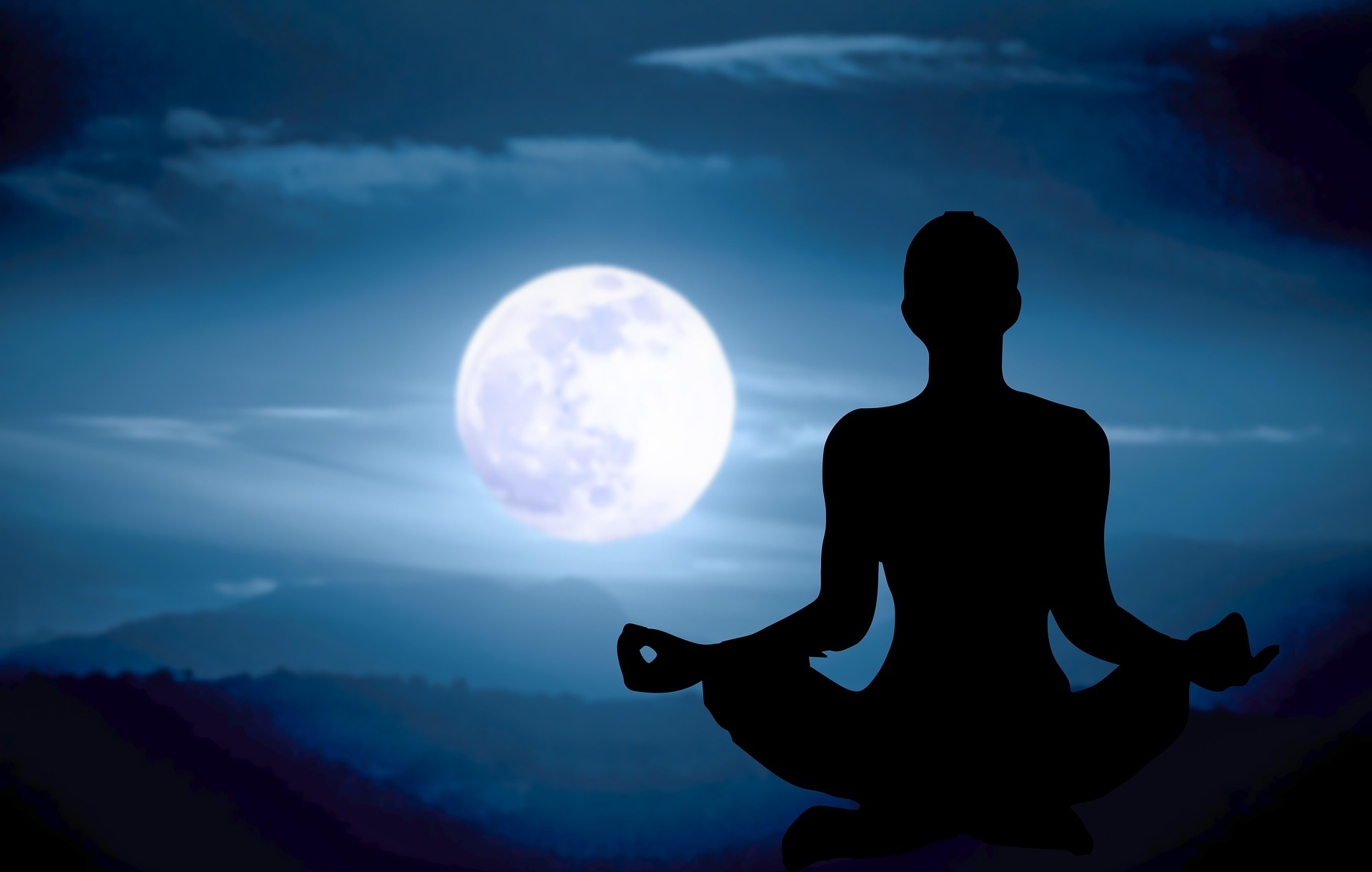
Islam also teaches that the remembrance of Allah can help mitigate these challenges, as it is mentioned in the Quran:.
الَّذِينَ آمَنُوا وَتَطْمَئِنُّ قُلُوبُهُمْ بِذِكْرِ اللَّهِ أَلَا بِذِكْرِ اللَّهِ تَطْمَئِنُّ الْقُلُوبُ
“Those who believe, and whose hearts find comfort in the remembrance of Allah. Aye! it is in the remembrance of Allah that hearts can find comfort.”
— The Holy Quran, Surah Al-Ra'd 13:29
Hope and Purpose
While mental-health difficulties can have many causes, a sense of purpose and hope can play a vital role in how people understand and navigate the challenges of life. Islam teaches us the importance of having a relationship with Allah and the purpose of our existence and if man leaves that and pursues other things, then that is where the consequences are felt.
However, we must never lose hope, as that is what keeps us going and that is why Allah encourages those who have lost sight of the very purpose for which we have been created, and tells us that no matter where we have reached in this life, we should not lose hope but always return to base. Allah says:
قُلْ يَا عِبَادِيَ الَّذِينَ أَسْرَفُوا عَلَى أَنْفُسِهِمْ لَا تَقْنَطُوا مِنْ رَحْمَةِ اللَّهِ إِنَّ اللَّهَ يَغْفِرُ الذُّنُوبَ جَمِيعًا إِنَّهُ هُوَ الْغَفُورُ الرَّحِيمُ
“Say, ‘O My servants who have committed excesses against their own souls! despair not of the mercy of Allah, surely Allah forgives all sins. Verily He is Most Forgiving, Merciful.’”
— The Holy Quran, Surah Al-Zumar 39:54
What the Quran puts across is not something to be taken lightly, but it has been proven “Research shows that individuals who have a strong sense of purpose and meaning in life tend to have better mental health, overall well-being, and cognitive functioning compared to those who lack a sense of purpose.” [5]
So, it is always important to have a very strong purpose, and that purpose is what Allah has mentioned in the Quran that gives us hope and not to give in to things that will harm us mentally.
Huzur's Guidance
His Holiness (aba) was asked how and what can be prayed in order to seek help with mental health.
His Holiness (aba) replied:
‘Allah the Almighty teaches in the Holy Qur’an ‘Aye! It is in the remembrance of Allah that the hearts can find comfort’ (13:29). Meaning that by remembering Allah the Almighty a person can achieve comfort in their heart. Doctors also say that those who commonly have ailments of the heart and have heart attacks will usually experience them in the early morning, around the time of Sehri [pre-dawn meal before keeping a fast]. Those who offer Tahajjud [pre-dawn voluntary prayers] are awake during that time; they offer ablution and offer Salat. Generally, the ratio of heart attacks amongst such people is very little. Hence, this proves that waking up in the early morning, offering Tahajjud, and offering Salat helps to remove this illness. Aside from this, there is the remembrance of Allah the Almighty, praying to Him and bowing down before Him. Otherwise, everyone is susceptible to the human psychology, illnesses, and human nature, whether they are prophets, saints, or ordinary people. These things are all attached to them because they are human after all. Hence, these things are a part of life. Therefore, one cure is to remember Allah the Almighty.
The second cure is to step forward in serving humanity. The third cure is to interact with people, whether at home or in a gathering outside as I have mentioned before. Then, those who are suffering from depression and who feel like doing nothing other than crying, it is said that their depression generally peaks at 11 or 12 o’clock. At that time, they should go outside and walk around in the open, fresh air. I have seen many patients suffering from depression and they have cried themselves into a bad state, but they prayed to Allah the Almighty, and He took them out of that phase. Years have passed and there is no sign of their illness. Aside from this, there are some who also take medication that is prescribed by psychiatrists, so those should also be taken in order to pass through the depression. Nowadays, depression has increased due to worldliness. As people pass through this phase, then they slowly begin to improve as well.’[6]
Conclusion
World Mental Health Day should not only remind us to recognise mental illness, but also to value mental well-being. We have to urge each other that seeking professional advice does not mean you are “mad” but rather a good step towards a healthy life. We should create a society that is free from all stigmas.
References
- World Health Organization — Mental Health: Strengthening Our Response
- World Health Organization — Mental Disorders
- The Holy Quran, Surah Al-Ra'd 13:29.
- The Holy Quran, Surah Al-Zumar 39:54.
- Psychology Today — How Creating a Sense of Purpose Can Impact Your Mental Health (7 March 2022)
- The Review of Religions — Rays of Wisdom for the Modern World, Part 24



About author

You may also like


Leave a Reply



Scroll to Top